Quick Links
Contact
-
Harish Exporter
Harish Exporter 2, Puran Niwas, Opp. Radio Club, Aurthur Bunder Road, Colaba, Mumbai 400005 - +91 9371431188
- info@harishperfumes.com
The psychology of players Understanding decision-making at pinco casino casino
Emotion plays a critical role in the decision-making process at Casino, influencing player choices in various ways. For instance, many players turn to resources like the Pinco official website to better understand how emotions impact their gaming experiences. Players often experience excitement or anxiety, which can lead to impulsive behavior. A typical example is when a player may continue betting despite losses due to the thrill of a near-win, feeling the adrenaline rush override rational thought. This emotional state can cloud judgment, making it difficult to evaluate the risks and rewards of continued play.
Moreover, emotions can be triggered by the casino environment itself. The sounds of slot machines, the visual allure of flashing lights, and even the social interactions with other players can create a heightened state of emotional arousal. This sensory overload often results in decisions that prioritize short-term pleasure over long-term consequences. Understanding this emotional aspect is essential for grasping how players navigate their choices in a casino setting.
In addition, the concept of loss aversion plays a significant role in emotional decision-making. Players are generally more affected by losses than equivalent gains, leading them to chase losses in an attempt to regain a sense of control. This behavior often perpetuates a cycle of irrational decision-making, where the desire to avoid loss overshadows the rational assessment of future risks. Thus, emotions significantly shape the decision-making landscape at Casino.
Cognitive biases are systematic patterns of deviation from norm or rationality in judgment, and they significantly influence how players make decisions at Casino. One prevalent bias is the “gambler’s fallacy,” where players believe that future probabilities are altered by past events. For example, a player may assume that a slot machine is “due” for a win after a series of losses, leading them to invest more money than they initially intended. This misguided thinking can result in poor financial decisions.
Another common cognitive bias is the “illusion of control,” where players overestimate their ability to influence game outcomes, particularly in games of chance. This belief can compel players to engage in superstitious behaviors, such as choosing specific numbers or rituals before placing bets. The feeling of control can create a false sense of security, driving players to make decisions that contradict statistical reality.
Additionally, players may experience the “confirmation bias,” where they focus on information that supports their winning experiences while ignoring losses. This selective attention can skew their understanding of the odds and lead them to believe they possess more skill than they actually do. By recognizing these cognitive biases, players and casino operators can better understand the decision-making processes at play.
Social dynamics significantly affect decision-making at Casino, as interactions with peers can sway individual choices. Group behavior often encourages players to adopt riskier betting strategies, especially in high-stakes environments. The presence of friends or even strangers can create a sense of camaraderie and shared excitement, which may lead to decisions that prioritize social acceptance over sound judgment.
Moreover, peer pressure can exacerbate the desire to continue playing, especially in scenarios where players witness others winning. This social comparison can result in feelings of inadequacy and compel individuals to take greater risks to ‘keep up’ with their companions. The drive to maintain a social image can overshadow individual financial considerations, further complicating the decision-making process.
Additionally, the role of online communities and forums cannot be overlooked. Players often seek validation and advice from others in the gaming community, which can shape their strategies and expectations. These online discussions can reinforce certain beliefs about game strategies, potentially leading to misinformed decisions based on anecdotal evidence rather than sound logic. As such, social factors play a vital role in influencing player decisions at Casino.
In the digital age, technology significantly alters how decisions are made at Casino. The rise of online gaming platforms has reshaped the gambling landscape, allowing players to access games anytime and anywhere. This convenience can lead to impulsive decisions, as players are more likely to engage in spontaneous betting without the physical confines of a traditional casino. The ease of access can blur the lines between entertainment and addiction.
Furthermore, advancements in technology have introduced personalized experiences through data analytics and artificial intelligence. Casinos now utilize player data to tailor promotions and game offerings based on individual preferences. While this can enhance the player experience, it can also lead to decisions driven by targeted marketing rather than informed judgment. Players may find themselves drawn to specific games or betting patterns without fully understanding their implications.
Additionally, the use of gamification techniques in casino apps and online platforms encourages frequent engagement through rewards and bonuses. This constant reinforcement can result in a cycle of decision-making based on immediate gratification rather than long-term strategy. As players respond to these technological prompts, the psychological impact of their decisions becomes more complex, highlighting the intricate relationship between technology and player behavior.
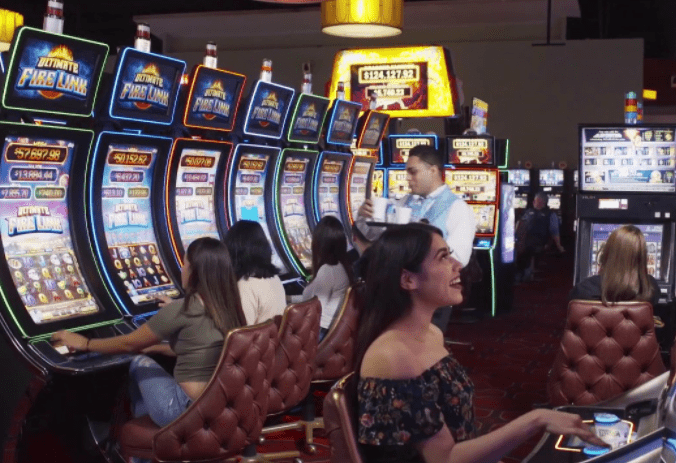
Research into the psychology of players is essential for grasping the intricacies of decision-making at Casino. Many studies explore how various psychological factors, such as motivation and risk perception, influence gambling behavior. By examining these elements, researchers can identify patterns that reveal why players make certain choices and how they respond to different gaming environments.
Moreover, understanding player psychology can assist casino operators in creating more engaging and responsible gaming experiences. By recognizing the mental and emotional triggers that lead to gambling behaviors, casinos can develop strategies to promote responsible play and mitigate the risks associated with problem gambling. Implementing research findings into casino operations can create a more balanced approach to gaming.
Additionally, forums and discussions about player experiences offer valuable insights into decision-making processes. By sharing stories and strategies, players contribute to a broader understanding of gambling psychology. This community-driven knowledge can enhance individual awareness, helping players make more informed decisions about their gaming activities at Casino.